Harger: With harm reduction v. sobriety, King County picked a side. The science says the debate isn’t over
Apr 20, 2026, 8:44 AM | Updated: 12:53 pm
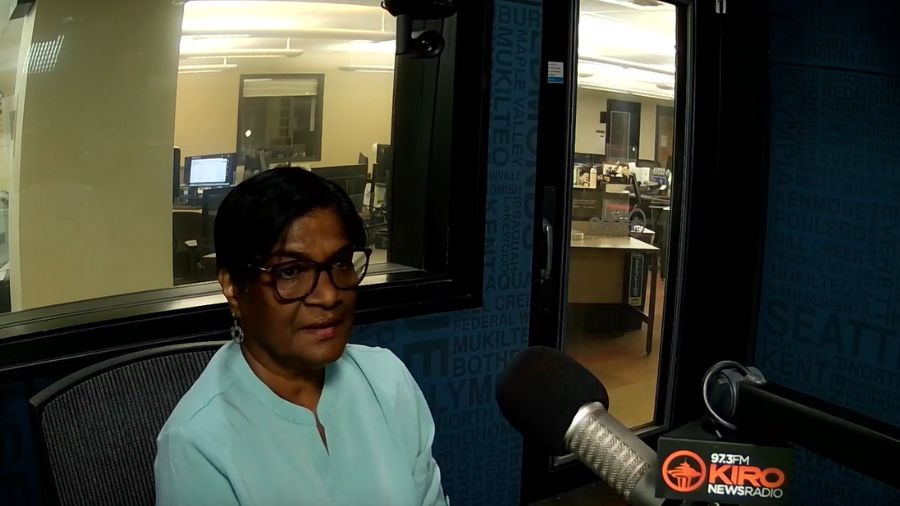
Art Dahlen from Battlefield Addiction came into the video studio this week. If you’ve been listening to this show, you know Art. Recovering addict. Works with families. Fights like hell to get people clean. Doesn’t sugarcoat anything.
As always, he brought a couple of guys with him.
Max: former NFL wide receiver, years in addiction, years in recovery
Max is one of Art’s right-hand people at Battlefield now. He was a former NFL wide receiver who got trapped by painkillers. It took a lot of tries to get him out, but he’s been clean for years. You notice it immediately. Quiet confidence. Doesn’t say much. Doesn’t need to. You can tell he’s seen some very dark places and came back. He’s ready to help pull others out.
Kenny: Four months clean, just stepping into the sunlight
Then there was Kenny. Kenny got clean four months ago. He’s timid. A little unsure. This is the first time he’s been thinking clearly in years. He has the look of someone who spent a long time in a dark tunnel and is just now stepping into the sunlight. Every day is a fight. He’s taking it one day at a time.
Adam: The one who wasn’t there
And then there’s who wasn’t there. Adam.
If you’ve heard my interviews with Art over the past year, you’ve heard Adam’s voice. He told me about shoplifting hundreds of dollars a day to feed his habit. He was at Art’s side for just about every conversation we’ve had on this program.
Adam relapsed recently. He was just in a bad car crash. The outlook is uncertain.
That’s the reality of this. Max made it back. Kenny is making it back. Adam is fighting for his life. Recovery isn’t a straight line, and Art knows that better than anyone. He doesn’t promise easy. He promises a door. Not everyone walks through it the first time. But the door has to exist.
RELATED STORIES



Art Dahlen’s Battlefield Addiction model: Sobriety, independence, a life that belongs to you again
Art’s model is built around one idea. Sobriety. Not managed addiction. Not comfortable using. Sobriety. Independence. A life that belongs to you again.
Under the harm reduction model, the approach isn’t to proactively offer detox or treatment. It’s to wait until the user asks. In the meantime, make the use as comfortable as possible. Keep someone alive one more day, and maybe today’s the day they decide they want out.
The heart is in the right place. But there’s a difference between keeping someone alive and helping them live.
Fentanyl killed 1,996 people in Washington last year. More than five people a day. And we point to that number as progress because it was six a day the year before. One fewer body. That’s the metric.
Art doesn’t measure success in bodies. He measures it in people like Max. People like Kenny. People who are standing in the sunlight, thinking clearly, building something. That takes longer than handing someone supplies. It’s harder. It requires accountability. It requires the person to want it and the system to demand it.
The harm reduction model keeps people alive. Art’s model tries to give them their lives back. Those aren’t the same thing. And I’m not saying harm reduction has no place. For some people, in some circumstances, keeping someone alive long enough to want something different is exactly the right move. Fine.
But around here in Seattle, it’s the only move. The only acceptable answer. The only approved approach. And we’ve been all in on it for years. The tents are still there. The bodies are still piling up. At some point, you have to ask: At what point do we try something different?
King County says harm reduction is settled science. A peer-reviewed meta-analysis says otherwise
If you question any of this in King County, you run into a wall. Not just disagreement. Dismissal. The experts have decided. Harm reduction is the science. Everything else is cruelty dressed up as tough love. The conversation is over.
Except the science doesn’t actually say that.
A peer-reviewed meta-analysis published in Campbell Systematic Reviews in April 2024 examined 48 studies involving more than 15,000 participants. Its conclusion: Abstinence-based and harm reduction-based interventions “make little real difference to the outcomes achieved in comparison to treatment as usual.” The confidence intervals for both approaches cross zero. Neither dramatically outperforms the other.
That’s not my opinion. That’s from one of the most comprehensive reviews of the evidence published to date. The research doesn’t declare a winner. It says the debate is unresolved. So when King County tells you harm reduction is settled science and the sobriety model is cruel, they’re not following the research. They picked a side and locked the door on the other one.
Seattle’s harm reduction orthodoxy: all in for years, and the crisis keeps growing
What’s particularly frustrating is the certainty of it. As if the people running these programs have looked at the results, the tents, the open drug scenes, the bodies, and concluded the only problem is that we haven’t done enough of the same thing.
Meanwhile, the people with actual lived experience get shown the door. Recovering addicts who know what pulled them back from the edge. People like Art, who got clean, who helps others get clean, and who can show you Max and Kenny as proof that another way works. Their experience doesn’t count because it doesn’t fit the framework. They’re dismissed as anecdotes. As outliers. As people who got lucky.
One path to recovery is being dismissed entirely in favor of another. And the results are right in front of us. What harm reduction has produced in King County is a lot of people kept alive but going nowhere. Warehoused in supportive housing with no expectation of recovery. Rotting in tents, day after day, in the middle of their addiction. Not getting better. Not building anything. Just existing. The system calls that compassion.
Seattle opioid and fentanyl recovery: the door Art Dahlen holds open
There’s no strong evidence that harm reduction alone produces lasting recovery. What it produces is managed decline. And somewhere in that decline are people who could be living independently, thinking clearly, building a life. If anyone bothered to offer them the door Art holds open.
Kenny got clean four months ago. He’s standing in the sunlight for the first time in years. Not because the system handed him supplies and left him alone. Because someone demanded more of him than that, and he rose to meet it.
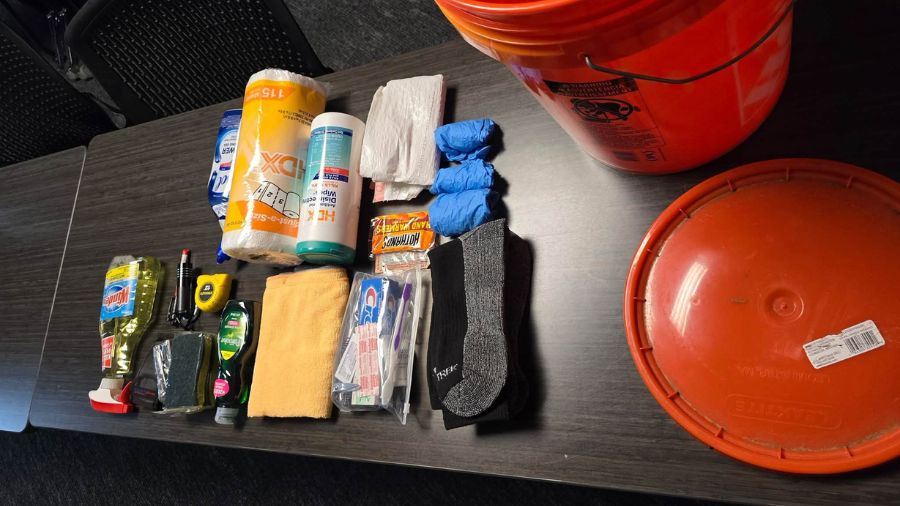
If Kenny were your son, which would you want the system to offer him? A straw and some foil, or a way out?
Charlie Harger is the host of “Seattle’s Morning News” on KIRO Newsradio. You can read more of his stories and commentaries here. Follow Charlie on X and email him here.