‘Blazing fires and broken windows’: Jake wants Seattle’s new cameras pointed at protest vandals after Wilson approves expansion
Nov 10, 2026, 1:46 PM

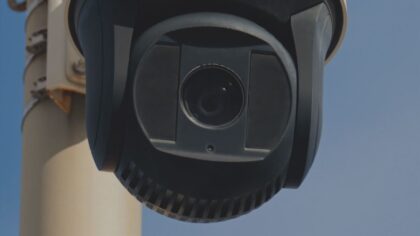
Seattle Mayor Katie Wilson is turning the city’s police surveillance cameras back on following a long-awaited privacy audit. KIRO host Jake Skorheim welcomed the decision and argued the cameras should help police catch vandals who use protests as cover.
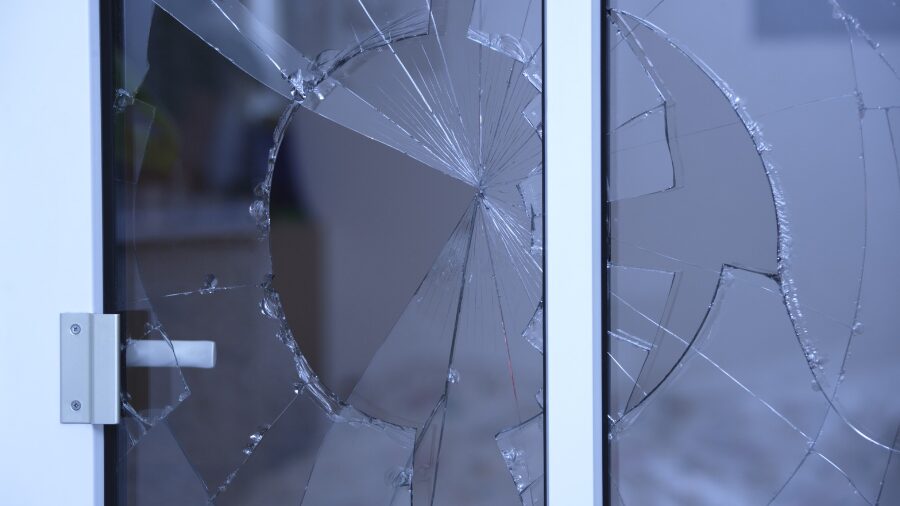
“That’s why they hide inside these protests. These protests that otherwise would be peaceful turn into blazing fires and broken windows,” Jake said on “The Jake and Spike Show” on KIRO Newsradio.
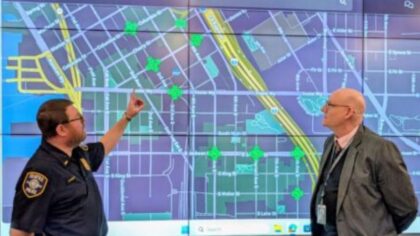
Wilson is turning on the Stadium District cameras right away and allowing the Seattle Police Department to expand its camera network in SODO, Capitol Hill, and the Central District.
KIRO Newsradio reporter Luke Duecy joined the hosts to explain the decision.
A reversal from the campaign trail
Duecy described the decision as a 180-degree turn from Wilson’s campaign. She had promised to scale back the program over privacy concerns, especially the possibility of federal agents using the footage for immigration enforcement. Wilson had shut off the Pioneer Square and Stadium District cameras after the World Cup.
Wilson also addressed Axon, the company that provides the system’s technology.
“Axon will continue to be a partner in designing a system for Seattle that meets our specific needs, fits our policies, and is consistent with our values,” Wilson said.
Duecy saw that as an endorsement of the company. Jake had a lighter take.
“The thing that’s nice too is it’s Axon. We were all worried she was going to be ax off,” Jake joked.
What the audit recommended
Duecy explained that the audit, conducted by the NYU School of Law’s Policing Project, made 19 recommendations. In an emergency like a shooting, police should be able to track someone from camera to camera. For a routine investigation, they would need a warrant. Footage could be kept only for a limited time. The audit also called for more transparency, including showing the public where the cameras are located.
“And this audit called for more audits,” Duecy noted.
“Perfect,” Jake replied.
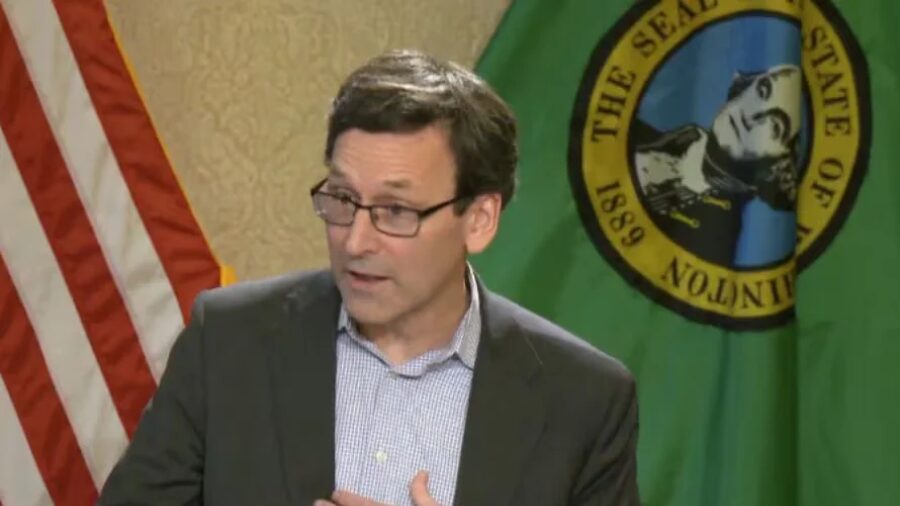
KIRO host Spike O’Neill noted that privacy concerns haven’t gone away. He pointed to the People for Communities Not Cameras coalition, which argued at Wilson’s announcement that federal authorities could still get footage through court orders or public records requests. According to Spike, Wilson believes the audit addressed those concerns by keeping the system closed and limiting how long footage is kept and when it can be used.
RELATED STORIES
Debate over protest footage
The NYU team suggested clear rules for the city’s Real-Time Crime Center, including policies on access to protest footage.
Spike connected that recommendation to concerns about the Trump administration.
“There have been protesters who have been charged with domestic terrorism charges, and so they’re worried about protest footage, which is a constitutionally protected right, being used,” Spike said.
Jake pushed back.
“Yeah, but vandalism is not,” Jake said.
He pointed to Seattle’s history of protests turning destructive and argued the cameras should be used to catch the people responsible. Spike agreed that crimes are fair game.
“We’re talking about vandalism. We’re talking about property destruction. We’re talking about crimes. That’s fine,” Spike said.
Duecy raised a different concern: governments could use similar technology to scrape personal data from social media. He pointed to other countries that have sought U.S. surveillance technology for those purposes.
‘The mayor heard you’
Spike credited the public pressure for the decision.
“Good news is the mayor heard you, the city heard you,” Spike said.
He noted that North Aurora went unmentioned at the news conference. Jake believes cameras are already up along that corridor.
Watch the full discussion in the video above.
Listen to “The Jake and Spike Show” weekdays from noon to 3 p.m. on KIRO Newsradio 97.3