Beacon Hill drug camps: Seattle neighborhood overrun by open-air fentanyl market as city looks away
Apr 2, 2026, 6:13 AM | Updated: 3:04 pm
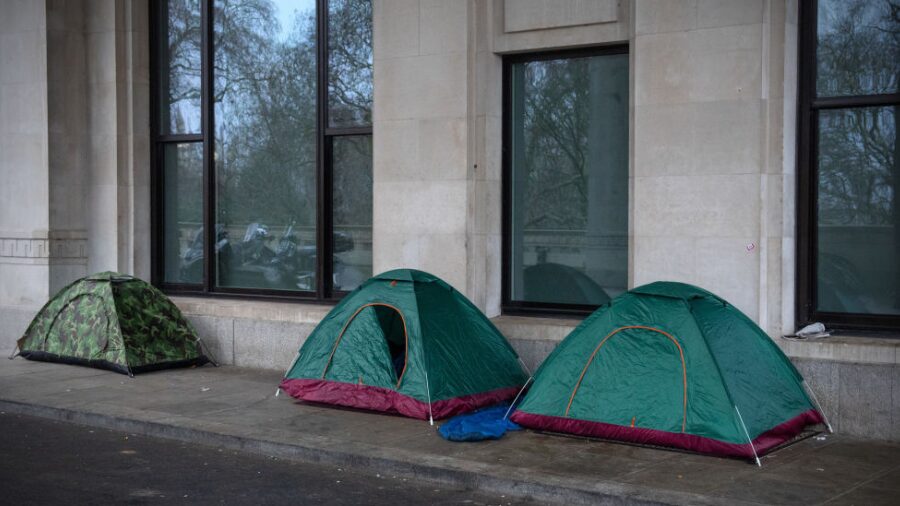
Four parks on Beacon Hill have been swallowed by an open-air drug market. Hundreds of people are living and using within them right now. A neighborhood is being threatened, intimidated, and ignored. And a resident who did everything right, who emailed his council member, who contacted the mayor’s office, who organized his neighbors, got nothing back.
So he called us.
What we found when we went out there last week is what happens when a city decides that tolerating human suffering in public spaces is the compassionate choice. This is that story.
Beacon Hill Seattle drug camps: What I saw walking through
Drug station after drug station after drug station.
That’s Beacon Hill right now. I walked through fentanyl smoke within minutes of arriving last week. A group of men congregated in Lewis Park watched us as we came through. Nobody said anything. Nobody had to.
I’ve been out here four times in four months. Every time it’s worse.
The Korean pagoda, a gift from the City of Seoul, is now someone’s shelter. The off-leash dog park is unusable. Volunteers cleaned the graffiti on Sunday. By Wednesday, it was back. And the Rizal Park pavilion, where this neighborhood’s Filipino, Vietnamese, and Chinese communities held barbecues and birthday parties? It’s gone. So badly trashed that it was torn down. Seattle’s answer to an out-of-control drug market is to demolish the things people love and build a gender-neutral bathroom in its place.
Hundreds of people are in these four parks now. Daejohn, Sturgus, Lewis, Jose Rizal. Open drug use in plain sight. Dealers working the perimeter. Cars pull up, someone walks in, stays a few minutes, then walks out. I watched it happen while we were filming.
Andrea Suarez, the executive director of We Heart Seattle, has been documenting Seattle’s drug camps for 5.5 years. She’s been trying to get city leaders to understand something they keep getting wrong.
“This is not a down-and-out homeless camp,” she told me as we walked through Lewis Park. “If we keep calling this a homeless and affordability crisis, we are doing these folks a disservice and an injustice to the neighbors. This is an open-air drug market. There’s prostitution, theft, dealing, using, property destruction.”
She has a name for what’s covering the ground in Seattle’s Beacon Hill parks. “Foilage,” she calls it. More foil than foliage.
RELATED STORIES


Seattle Beacon Hill parks: A neighborhood abandoned by city leaders
Kevin has lived in this neighborhood for years. He watched the camps grow from a few tents to what you see now, and just in the last two months, he told me, it exploded. When Seattle cleared the Jackson Street and 12th Avenue area, the whole problem moved here.
People sharing an alley next to Lewis Park have been threatened when they asked people to clear their driveways. Porches have been defecated on. One neighbor was told directly, “We know where you live.”
Kevin emailed his council member four times. Contacted the mayor’s office too.
Crickets.
So he called us.
“We feel helpless and hopeless,” he told me. “It’s like we just have to live with this chaos.”
Kevin told me something he heard 15 years ago from a leader at Union Gospel Mission that has stuck with him ever since.
“He said our homeless problem is really a drug problem masquerading as a homeless problem,” he shared. “And I don’t think what we see here is just people who can’t afford a place to live. They need treatment.”
Kevin has been saying this for 20 years. Back when he was young, interventions were common. People who cared about addicts did something. It was hard. It was uncomfortable. But the alternative, he said, is that if you let people use, eventually they’re going to die.
That doesn’t sound like kindness to me.
Seattle open-air drug market: ‘This is not a homeless camp’
Michael Shellenberger documented exactly this dynamic in “San Fransicko.” These open-air drug scenes don’t just reflect addiction. They amplify it. When you concentrate open drug use in one place, tolerate dealing, supply needles and foil, and ask nothing in return, you don’t reduce suffering. You build a low-friction drug supermarket that pulls more people in, keeps current addicts hooked longer, and makes recovery dramatically harder.
That’s Seattle’s Beacon Hill right now.
Andrea Suarez describes Seattle’s current approach as meet people where they’re at. Give them harm reduction supplies. More foil. More needles. More Narcan. A sandwich. Keep them alive another day until they decide they’re ready.
Outreach workers are trained not to proactively offer treatment. They wait. The policy is to say nothing unless the addict asks first. But treatment is available right now, today. Lakeside-Milam. Valley Cities, open 24/7. The new DESC center on Third Avenue, a $12 million facility with 12 brand-new leather chairs, is a walk-in center, open anytime, not even at capacity.
“Seattle has removed rock bottom,” Andrea told me. “And anybody in AA, NA, will tell you: I had to hit rock bottom. I had to get sick and tired of being sick and tired.”
Seattle housing-first policy: Warehousing people next to their dealers
There’s another piece of this that doesn’t get talked about enough. When Seattle and King County do move people indoors, the model is housing-first. Get them into an apartment. Stabilize the housing. Deal with the addiction later, if ever.
The problem is what happens inside those buildings.
Permanent supportive housing in Seattle frequently concentrates people with serious addiction and mental illness in the same building, often with minimal supervision and no requirement to engage in treatment. Dealers follow their customers inside. Drug use continues in the hallways, the stairwells, the units. Violence and crime are common. Staff are often instructed not to intervene in drug use under the same harm reduction philosophy that governs the parks.
Andrea has seen it firsthand. People placed in housing who are back on the street within weeks, sometimes days, because the building they were put in is as chaotic and drug-saturated as the camp they came from. Some decide the camp is better. At least outside, they know what they’re dealing with.
“We take people to treatment once or twice a week,” Andrea told me. “But do they stay? Without a court order, we really need to use the court system.”
Putting someone in an apartment without treating their addiction is just the same problem with a roof on it, and a much larger bill for taxpayers. The person is still using. The dealer is still there. The proactive offer of treatment is still not happening.
“By the time you build enough housing for all the people who need it, we’re looking 30 to 40 years down the road,” Kevin put it plainly. “And how many more will there be by then? They need to come up with some program to get people into detox, get them on their feet, and get them living their lives again.”
Shellenberger makes this case exhaustively in “San Fransicko:” Cities that pour money into permanent supportive housing without mandatory treatment components don’t reduce addiction. They institutionalize it. They make it more comfortable and more permanent, and they call that progress.
Seattle harm reduction policy: Who is actually offering treatment?
I want to tell you about KG, because this is not an angry story. This is a story about people I genuinely want to see get help.
I first met KG last summer in Belltown. Andrea got him into Lakeside-Milam treatment the same day she found him. Not a referral. A ride. He graduated. Reunited with his mom after 10 years. Gained 30 pounds. Then he came back.
When I met with him on Beacon Hill last week, he was high, but honest about why he relapsed. He didn’t have anywhere to go after treatment. He ended up outside again. The feelings came back. The drugs were right there.
“You get these feelings,” he told me. “Like life don’t matter no more sometimes. You just want to get all these feelings away.”
I asked him whether Seattle drug treatment is actually available right now, because advocates frequently claim it isn’t. KG didn’t hesitate. “It is available, but you just gotta know where to go.” He said Andrea took him somewhere real. Not a referral. Not a waiting list. A place with space, right now.
I would argue that getting people away from where they are, out of the trap of active addiction, away from the open-air drug market that is designed to keep them using, is probably a damn good thing.
Fentanyl laced with tranq is killing people in Seattle’s Beacon Hill parks
KG told me about the fentanyl that’s killing people in Seattle right now. It’s cut with tranq — animal tranquilizer.
“It’s not real dope,” he said. “It’s killing people, bro.”
His best friend died a week before we talked. Smoking too much fentanyl, fell asleep in a car, and never woke up.
“That’s how easy it is,” KG said. “It takes everything out of your body.”
I asked him what he’d tell parents whose kids haven’t started using.
“Don’t push your kids away. Love is the only thing that changes people.”
Andrea called KG on Friday as promised. He didn’t answer. On Sunday, she texted me: KG was high and desperate. She offered to have him picked up and brought to detox. He agreed. Then he disappeared. On Monday, We Heart Seattle volunteers found him slumped over in Belltown. He agreed to go. A We Heart Seattle volunteer drove him to treatment.
Seattle drug treatment was available. It always has been. The question is whether anyone in a position of authority will offer it.
Seattle fentanyl crisis: The city is still waiting
Somewhere in the last decade, Seattle decided that leaving people to rot in public parks was the enlightened approach. That surrounding them with needles and foil and looking the other way was dignity. That asking people to get help was an imposition.
The pavilion is gone. The pagoda is occupied. The dog park is unusable. The graffiti comes back within days. And Seattle’s answer is a gender-neutral bathroom and signs telling the federal government to stay off the land, while fentanyl foil covers the ground a few feet away.
Kevin tried the proper channels. He did everything right. He emailed his council member. He contacted the mayor. He organized his neighbors. Nothing moved. So he called a radio station, because that was the only option he had left.
That’s not how it should work.
The city of Seattle is still waiting for people in those parks to ask for help on their own, while they’re high, surrounded by dealers, in a place that was designed by policy to make leaving as hard as possible.
That is what we are calling compassion.
Charlie Harger is the host of “Seattle’s Morning News” on KIRO Newsradio. You can read more of his stories and commentaries here. Follow Charlie on X and email him here.
Follow @https://twitter.com/kirocharlie