City says plans updated in case of long-term Alaskan Way Viaduct closure
Dec 15, 2014, 1:37 PM | Updated: Dec 16, 2014, 5:48 am


Amid the increased concern about the Alaskan Way Viaduct, after recent reports the ground around it has settled slightly, officials say they have updated plans to deal with an emergency closure if needed.
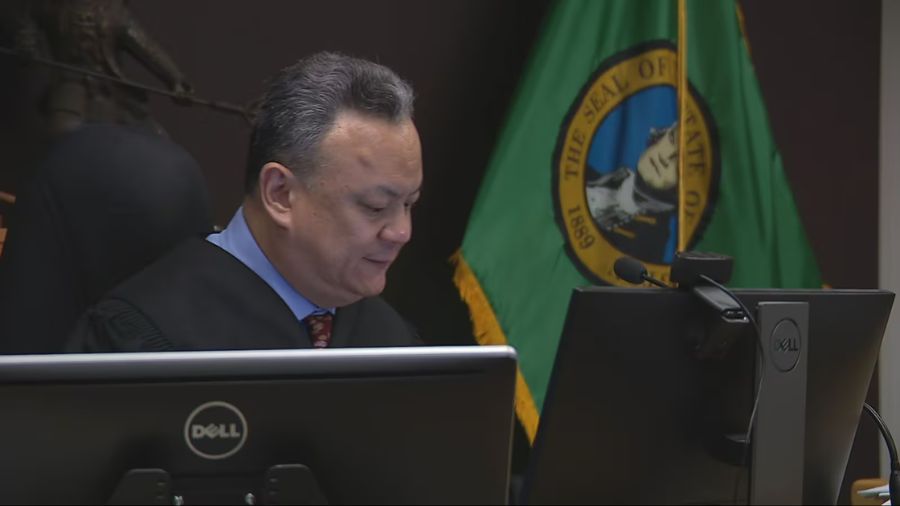
“We are in good shape here in that we have a plan that was developed in 2005,” Scott Kubly, Seattle Department of Transportation director, told the Seattle City Council Monday.
Monday’s meeting brought together the heads of SDOT, the Washington Department of Transportation, and a number of other agencies to address the ongoing issues with the Seattle tunnel project, and what happens if the viaduct needs to be shut down or comes down in an earthquake.
Kubly told the Council that SDOT has put variable message signs and moveable barriers in place at both entrances of the viaduct to quickly block access and inform the public of an emergency closure.
“All of the equipment that would be required for a closure is loaded on flatbed trucks so we could, in a moment’s notice, mobilize and close down the viaduct,” Kubly said.
With an estimated 60,000 people traveling on the viaduct daily, traffic would be significantly impacted. Inevitably, thousands of cars would be funneled onto city streets and I-5.
“We’d be looking at transit service. We’d be looking at what we’re doing with on-street parking. We would be looking at what we would be doing with freight deliveries – so making sure that we have freight deliveries that are going on at night,” Kubly said.
He said SDOT would work with Metro to potentially increase bus lines, create detour routes, and come up with other ways to speed bus service through the city.
“Metro is absolutely at the table,” Kubly said.
So are the Seattle police and fire departments, Seattle City Light, and Seattle Public Utilities, which all have roles and actions spelled out in the event of an emergency.
The city has had some practice. Construction has closed the viaduct for a number of days several times in the past few years, but a more permanent closure would obviously have a much more profound impact.
Kubly said other measures to deal with a closure could include curtailing traffic associated with “non-emergency” construction, which could be complex given the amount of building going on in the downtown core.
Some of the emergency measures, including adding transit, could be costly. WSDOT administrator Todd Trepanier told the Council there’s no money left in a $30 million construction mitigation fund.