Seattle City Council considers temporarily shutting down rideshare services
Sep 25, 2013, 5:52 PM | Updated: Sep 26, 2013, 3:21 pm

The Seattle City Council is trying to determine what to do about unlicensed car services like Uber and Lyft. (Image courtesy Lyft)
(Image courtesy Lyft)

The ongoing battle between taxi drivers and upstart car services like Lyft and Uber is heating up in Seattle, where the City Council is considering a number of options including shutting down the unregulated companies and their drivers while lawmakers figure out how to deal with them.
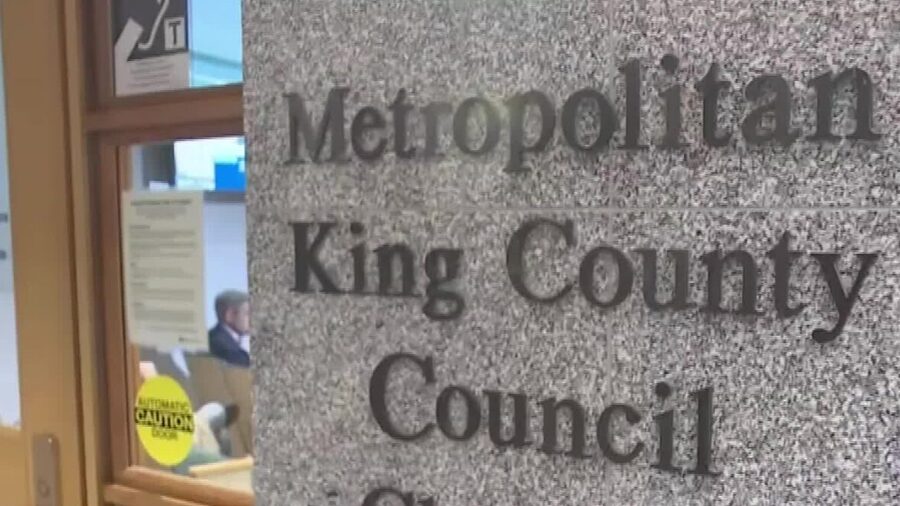
A council committee on taxi, for-hire and limousine regulations met Thursday to discuss potential new regulations and temporary interim measures.
“We’re going to be talking about three different options, one of those options is simply roll back the clock, pretend that this didn’t happen, shut these guys down. I don’t think practically, we can go there,” President Sally Clark tells The Morning News on KIRO Radio. “I think people like these services. I think that there is enough demand to go around. I don’t think this is by any means, the end of taxi world.”
Clark says while a temporary shutdown is one option, they’ll more likely be looking at what type of regulation might be appropriate for services like Lyft and Uber.
“I’m looking more at a way of how do we ensure that safety and consumer protection, through some appropriate regulation, to let these services like Uber X and Lyft compete in the market.”
Licensed taxi drivers in Seattle have been protesting the growing number of unlicensed ride-sharing companies, claiming they are undercutting their legal businesses.
“These guys don’t have business licenses, the drivers, they don’t have proper insurance, they’re doing a tremendous bite into our business and undercutting our rates that are regulated by the city and undercutting the safety of the public,” said Mike Judd, who owns a Yellow Cab, in an interview with KIRO Radio earlier this year.
“There are some level playing questions that come up about who are the drivers, how well are they vetted, what kind of responsibilities do we require of them versus what we require of a taxi driver,” says Clark.
Customers widely praise the car services, calling them far more reliable, friendly and enjoyable than traditional cabs. The companies insist they stringently vet their drivers and all are insured and inspected to guarantee exceptional quality, safety and service.
Riders can summon a car through the newer services with their smartphones. They pay drivers via “donation” on Lyft and Sidecar, while UberX charges similar rates to taxis, but does not require tips.
California recently passed a measure to legalize ride-sharing services, requiring them to enforce company licensing, criminal background checks, and $1 million per-incident insurance coverage.
Clark tells Geekwire it appears they’re working out a compelling model.
“For me, it addresses the insurance concerns, as well as concerns about driver background checks and vehicle safety. However, the draft didn’t address the question of whether rideshare drivers should be licensed in some way. That’s an open question here.”
The industry is trying to mobilize support to keep the council from shutting down the competing services. An online petition drive started by Uber generated over 9,000 signatures in just several hours.