Seattle City Council takes steps to expand use of automated license plate readers
Jun 11, 2024, 5:27 PM | Updated: 6:49 pm
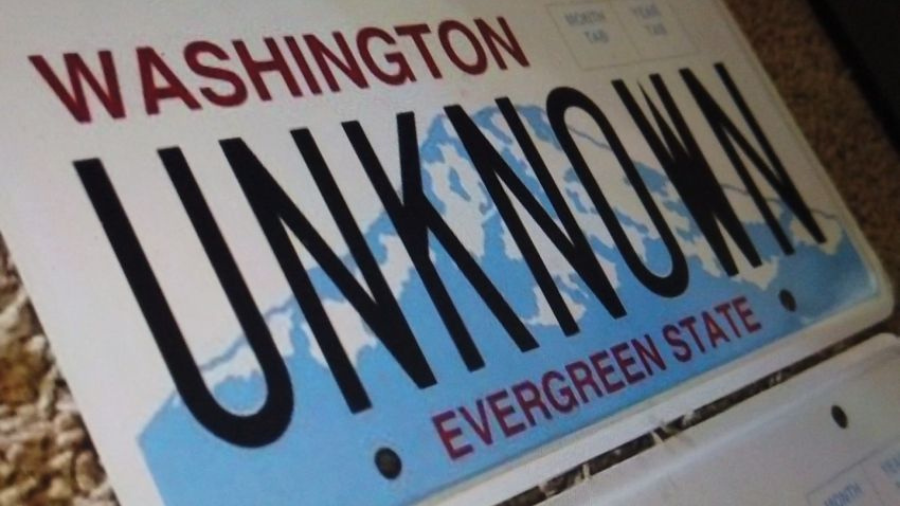
A Washington license plate. (Photo courtesy of KIRO 7)
(Photo courtesy of KIRO 7)
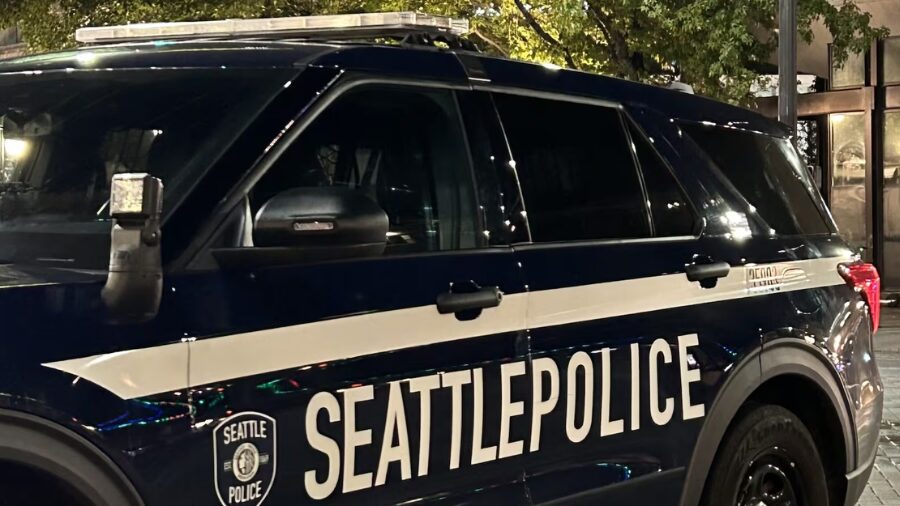
A Seattle City Council committee expanded the use of automated license plate readers (ALPR) across the Seattle Police Department’s (SPD) entire fleet Tuesday, encompassing over 350 patrol cars and other vehicles. However, the expansion raises questions about the use and retention of the data the readers collect, including the date, time, and location of the plate read.
The City Council initially approved limited use of ALPRs in 2021 for 11 SPD vehicles, leading to the recovery of 622 stolen vehicles, according to the SPD. The trade-offs between privacy, data security, and retention versus SPD’s request to hold data longer to help solve crimes were hotly debated for nearly 90 minutes at Tuesday’s Public Safety Committee meeting.
Council Bill 120778, which authorizes the expansion of ALPRs and sets restrictions regarding who has access to the collected data, was under scrutiny. Former King County Superior Court Judge and current council member Cathy Moore expressed deep concerns about the public’s ability to use the state’s Public Records Act to request potentially hundreds of thousands of scans performed by ALPRs.
“The main issue here is how do we protect individuals who are coming to the state of Washington to access reproductive care or gender-affirming care?” Moore asked. “How do we protect them from being criminalized and prosecuted in non-protected states?”
More from Matt Markovich: Seattle scraps ShotSpotter plans; advances surveillance, license plate readers
Under the current proposal, data not tied to an active investigation would be retained for 90 days. For active investigations, the data would be retained indefinitely. Data collected by ALPR technology is considered public record under Washington State’s Public Records Act and can be requested by the public. Additionally, there are concerns about external entities attempting to compel data disclosure from the third-party vendors managing the data.
Public comments earlier in the meeting underscored these issues, reflecting a community divided on balancing public safety and privacy rights. Moore prefers data not involved in an investigation be retained for only 48 hours, reducing the likelihood of disclosure requests from the public or other states.
SPD official speaks out at the meeting
Brian Maxey, Chief Operating Officer for SPD, stated a 48-hour retention period would severely limit the potential for investigating other crimes.
“We know that most stolen vehicles these days are not stolen for joyriding or some random purpose. They are stolen specifically to use in other crimes,” Maxey told the City Council. “If we have a hit on a vehicle that is not on our list but we now know was involved in a crime, having that 90-day buffer lets us look back in time to see what other crimes that car was associated with.”
Currently, there are 9,000 stolen vehicles in Seattle that have not been recovered, Maxey noted. The buffer will help solve these crimes and other cases, including missing persons.
“This technology just tells you where a car has been. It does not tell you who was driving it or what happened when the person exited that vehicle. It simply provides the location of a vehicle,” Maxey said.
Affecting taxpayers: Seattle homeowners face sticker shock with new levies
The committee approved an amendment Moore offered, solidifying SPD’s current practice of not publicly disclosing ALPR data that links specific license plates to particular times, dates, and locations. This non-disclosure practice would remain in effect unless altered by court order or changes in applicable law. Should such changes occur, the amendment mandates that SPD promptly notify the City Council.
However, Moore abstained from the vote for final passage, stating she plans to introduce new legislation that caps retention at 48 hours for data not involved with an active SPD case. The City Council’s decision on this ordinance will have significant implications for both law enforcement capabilities and civil liberties in Seattle.
The Committee passed the expansion 4-0 with Moore abstaining. A full Seattle City Council is expected next week.
Matt Markovich often covers the state legislature and public policy for KIRO Newsradio. You can read more of Matt’s stories here. Follow him on X, or email him here.
Follow @https://twitter.com/mattmarkovich