Harger: WA doubled spending over 10 years. Every major metric got worse, but Olympia still wants more
Mar 2, 2026, 7:17 AM | Updated: 6:43 pm
Ten years ago, I wasn’t highly skeptical of state spending. I’m not so sure anymore.
I covered Olympia long enough to know that most of the people there genuinely want to help. The problems they’re wrestling with — homelessness, addiction, education, housing — are real and genuinely hard. A pandemic hit at the start of the decade and scrambled everything. The population grew. I get it.
But at some point, the results have to show up.
WA spending doubled. The numbers don’t lie
Washington spending has more than doubled in the past 10 years, from $81.8 billion to $173.5 billion. Some of that is inflation, and our population grew, too. Fair points. But even after you account for both, we’re spending about 40% more per person in real dollars than we were a decade ago.
And I keep waiting for the results to show up.
For that kind of money, it’s fair to expect something. Better schools. Less homelessness. Fewer people dying of overdoses. Easier commutes. Instead, just about every one of those metrics went in the wrong direction.
RELATED STORIES
WA K-12 spending doubled. Test scores got worse
Per-pupil spending on K-12 education roughly doubled. Eighth-grade math proficiency got worse. Reading got worse. We’re spending twice as much per kid, and the kids are learning less.
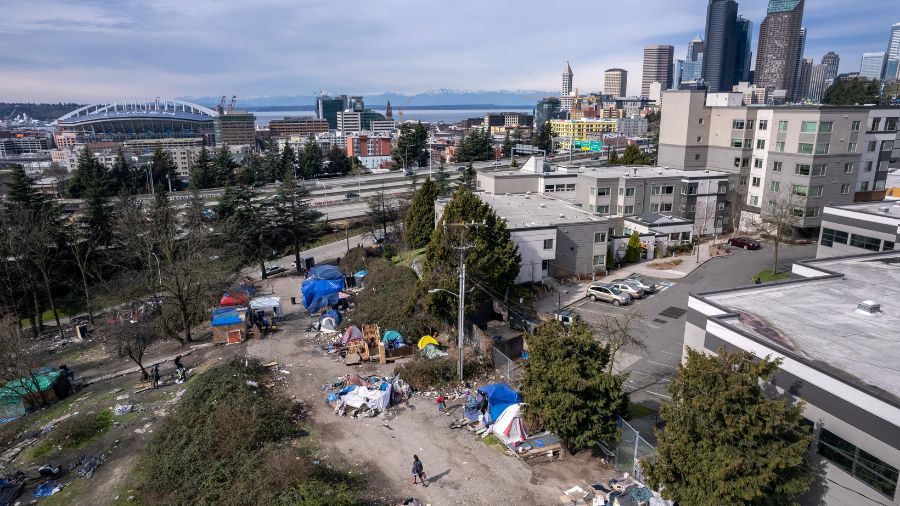
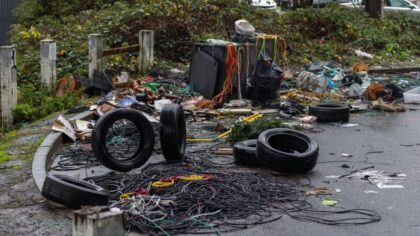
Homelessness spending went up by billions. So did homelessness
Homelessness spending increased by billions. The number of people living on the streets went up, too. King County alone added thousands to its count in just the past two years.
And those numbers don’t exist in isolation. Seattle’s homelessness crisis is inseparable from the addiction and mental health crises driving it. We’ve poured money into each, separately, and the results have been the same across all three.
Drug overdose deaths in Washington tripled over the decade. Tripled. We poured money into treatment, outreach, and response infrastructure. The fentanyl kept coming anyway.
Housing, traffic, and the gas tax: Paying more, getting less
The median home price more than doubled. Incomes grew at half that rate. A home a middle-class family could stretch to buy in 2015 is out of reach for most of them today.
Seattle drivers lost 63 hours to congestion last year. That’s more than a full work week sitting in traffic. We rank in the top 10 worst cities in the country for congestion. And traffic fatalities on Washington roads have nearly doubled since 2014. We’re spending more, moving slower, and dying more often getting there.
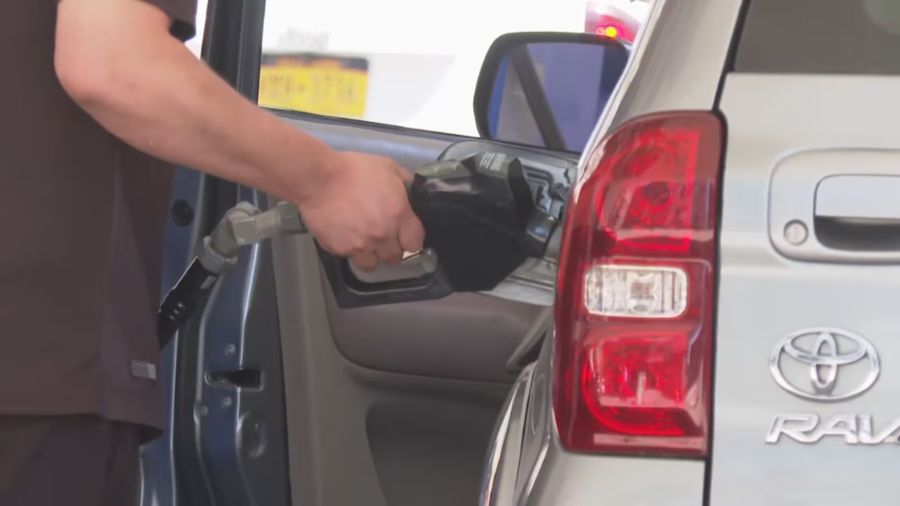
Every time you pull up to the pump in Washington, you’re paying somewhere between 50 and 57 cents a gallon in Climate Commitment Act fees, on top of our already nation-leading 55-cent state gas tax. Lawmakers promised measurable climate results. After collecting billions, they still can’t point to any. Now, lawmakers are raiding the police and firefighter pension surplus and shoveling another $569 million into the Climate Commitment Act (CCA) account.
The question is simple: more than half a billion dollars, for what?
Olympia’s answer is more of the same
There’s a saying often attributed to Einstein, probably incorrectly, that the definition of insanity is doing the same thing over and over and expecting different results. Whoever said it first was onto something.
Rather than ask hard questions about why the last decade of increased spending didn’t move the needle, Olympia’s answer, with 10 days left in this legislative session, is a new income tax, expanded payroll taxes, and more programs built on the same assumptions. Nobody in charge seems particularly interested in asking why the last hundred billion didn’t work.
This is real money taken from real people. And those people deserve a better answer than “trust us, this time it’ll work.”
Charlie Harger is the host of “Seattle’s Morning News” on KIRO Newsradio. You can read more of his stories and commentaries here. Follow Charlie on X and email him here.