Reforming juvenile justice: A path to rehabilitation or a public safety gamble?
Feb 3, 2025, 6:36 PM | Updated: 6:51 pm

Doors of a cell. (Photo: @my_southborough via Flickr Creative Commons)
(Photo: @my_southborough via Flickr Creative Commons)
Washington’s Senate Bill 5296 is igniting intense debate over the future of the state’s juvenile justice system and rehabilitation.
Introduced by several Democratic state senators, the bill aims to rethink how young offenders are handled within the justice system. While some hail it as a much needed reform, others worry it could compromise public safety.
A shift toward rehabilitation
The bill proposes a major shift from the traditional “lock them up” approach to a model that emphasizes community-based rehabilitation programs.
Instead of automatically sending young offenders to overcrowded Juvenile Rehabilitation (JR) facilities, it would give judges discretion to determine whether a youth requires incarceration or could be rehabilitated within their community.
If passed, the legislation would prioritize treatment programs, mental health support and other rehabilitative measures over a lock-up behind bars.
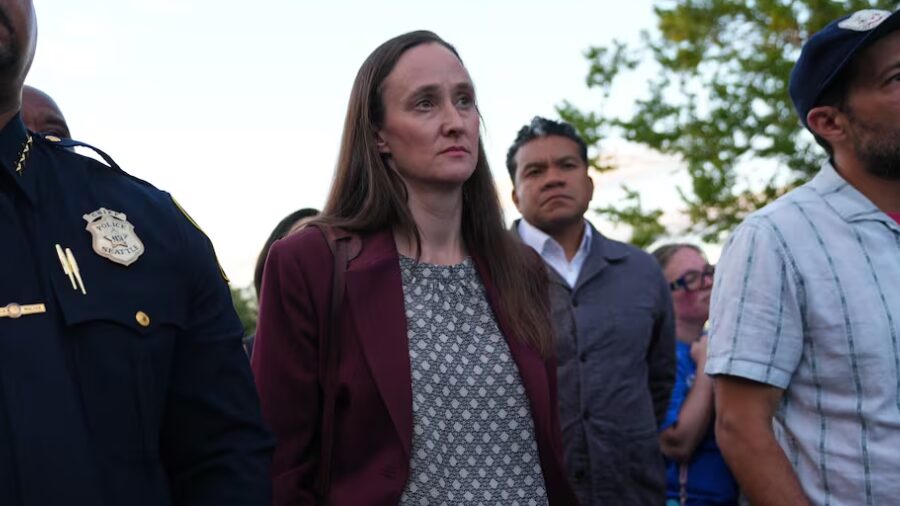
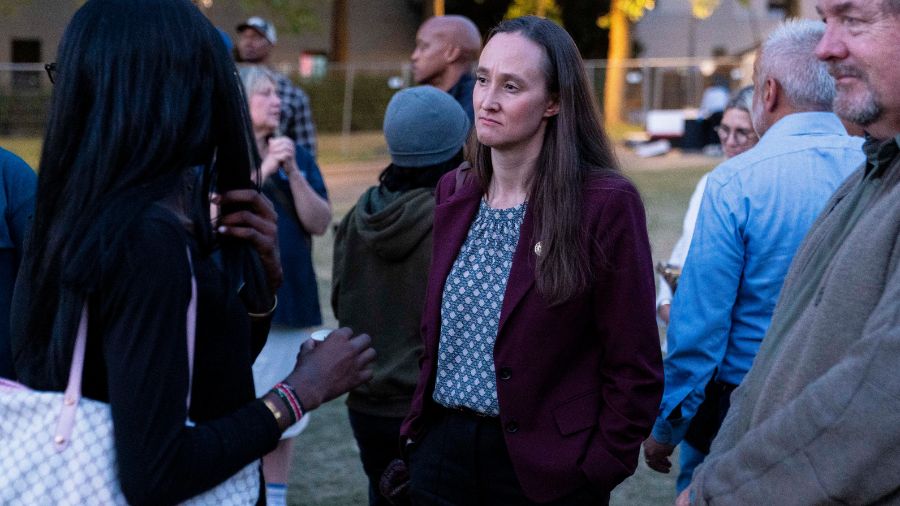
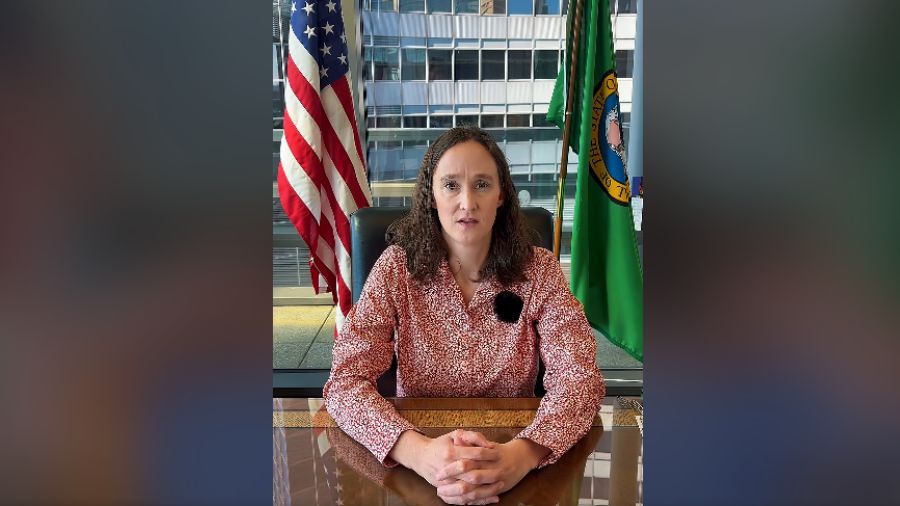
Supporters argue this approach is both humane and effective. Senator Claire Wilson (D-Auburn), the bill’s chief sponsor, stated, “This bill allows judges to choose the most appropriate juvenile justice response.”
During a public hearing before the Senate Human Services Committee on Monday, Senator Wilson emphasized the current system is “unacceptable and unsustainable.”
For years, Washington’s juvenile justice facilities have struggled with overcrowding, creating unsafe conditions for both staff and incarcerated youth. Wilson asserts that her bill — which is backed by research showing that community-based alternatives lead to lower recidivism rates — would help alleviate these issues.
Nurses, doctors push back on new bill: Will behavioral health crisis get pass for assaults?
Law enforcement concerns
Not everyone supports the bill. Critics argue it could be too lenient, potentially allowing dangerous offenders to remain in the community.
Some worry that electronic monitoring, such as GPS ankle bracelets, may not provide sufficient supervision — especially with rising rates of crimes like car theft and drug offenses in areas such as Auburn, Federal Way and Renton.
One of the most controversial aspects of the bill is the removal of mandatory detention for certain offenses, including second-degree motor vehicle theft. Opponents fear this could enable repeat offenders to evade serious consequences, undermining public safety.
However, juveniles convicted of more severe crimes — such as first- or second-degree murder, rape, drive-by shootings, kidnapping and first-degree assault—would still face detention. Judges, however, would have the ability to revisit those sentences.
The bill also mandates that judges regularly meet with offenders to assess their progress. If an offender fails to comply with rehabilitation efforts, a judge could order their placement in a JR facility, ensuring a level of accountability.
More politics: Washington House committee advances controversial firearm bills amid heated debate
Cost savings or increased burden?
Russell Brown, executive director of the Washington Association of Prosecuting Attorneys, warns the bill could place significant strain on local courts. Judges would be required to make individualized determinations for each case, which could lead to inconsistencies in sentencing across different counties.
Senator Wilson, however, contends that the bill will ultimately save the state money by reducing reliance on costly detention facilities.
“I believe the approaches taken here will lower overcrowding, save tax dollars and, most importantly, improve outcomes through diversion options for youth,” she said.
Emily Justin, an attorney with TeamChild, supports the bill, emphasizing that youth who remain in their communities are statistically less likely to reoffend.
“Current research shows that youth in community-based programs have lower recidivism rates than those sentenced to JR facilities,” she stated.
Speed demons on a leash: Bill would require limiter device for reckless drivers
Funding and implementation challenges
One of the biggest obstacles facing the bill is funding. Jack Murphy of the Washington Association of Juvenile Court Administrators acknowledges the bill’s potential benefits but notes that it lacks a clear funding plan to support local courts and rehabilitation programs.
Senator Wilson conceded that Washington has a history of passing policy without fully funding it but assured stakeholders that discussions on financial support would continue alongside the bill’s progression.
The Senate Human Services Committee is scheduled to vote on the bill Wednesday at 8 a.m.
Matt Markovich often covers the state legislature and public policy for KIRO Newsradio. You can read more of Matt’s stories here. Follow him on X, or email him here.