Buehner: La Niña set to return this winter
Sep 19, 2024, 9:24 AM

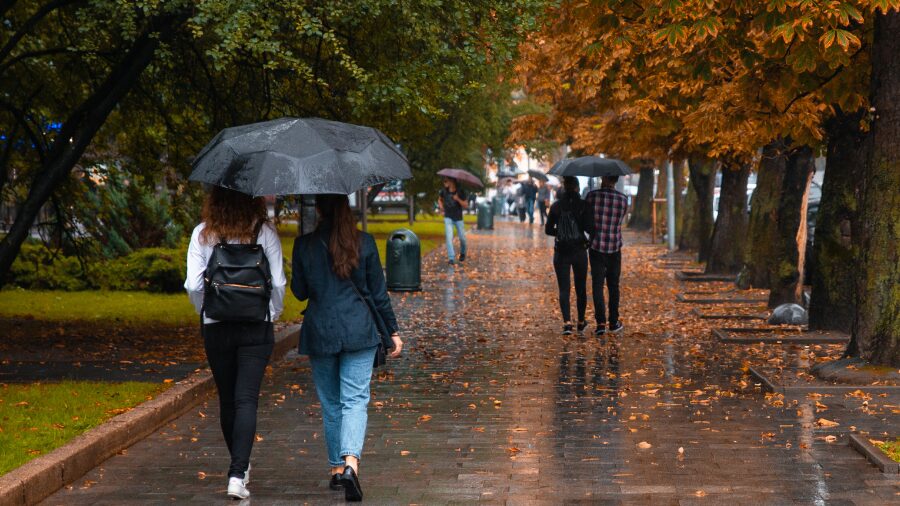
Warmer temperatures recently brought people out to Green Lake. (Photo: Bill Kaczaraba, MyNorthwest)
(Photo: Bill Kaczaraba, MyNorthwest)
The final days of the summer season are with us until the fall equinox on Sunday, the 22 and another La Niña winter looms. Days are getting shorter and nights longer with more fall-like weather in the past few weeks, a reminder that the winter season is not far away.
That fact is why September is National Preparedness Month, the best time to prepare for what is likely coming in advance. Western Washington’s fall and winter weather often involve heavy rainfall, flooding, and landslides; intense damaging wind storms; and lowland snow and ice. These kinds of adverse weather are the key reason for you to prepare ahead of time.
The latest seasonal weather outlook was released Thursday morning, and it shows that La Niña a is set to return this winter. La Niña is the opposite sibling of El Niño when the ocean waters in the eastern Pacific Ocean tropical waters – the waters west of Peru – are cooler than average. El Nino is when those same tropical waters are warmer than average, which was the case this past winter.
More Ted: Grandparents Day shines light on local Red Cross awardee
La Niña and El Niño make big adjustments in how the North Pacific storm track behaves. For La Niña, Pacific storms spend more time moving onshore into the Pacific Northwest as opposed to El Niño when the storm track takes a more consistent path into California and beyond.
El Niño winter seasons for Western Washington tend to be warmer than average, leaning toward before-average precipitation and a poorer mountain snowpack. That was the case this past winter.
La Niña winters are sharply different. They tend to be cooler and wetter than average and produce a healthy mountain snowpack. Earlier this decade, there was a rare three straight La Niña winters – the winters of 2020-21, 2021-22, and 2022-23. The mountains received an above-average snowpack in each of these winters, and the Western Washington lowlands had snowfall events impacting life.
Latest Seasonal Weather Outlook
The fresh seasonal weather outlook shows the continued development of La Niña returning. The outlook for this fall and winter reflects the usual La Niña tendencies of cooler-than-average temperatures and above-normal precipitation for December through February. This trend also points to a healthy mountain snowpack by next spring, good news for snow enthusiasts, and water and power generation authorities.
The outlook for October and November indicates odds tipped toward a wetter than average fall with no trend on temperatures.
Impacts of La Niña
Ranking El Niño, ‘Neutral’ (around average tropical Eastern Pacific sea surface temperatures), and La Niña winters, La Niña is number one for producing lowland snow. Each of the previous three La Niña winters earlier in this decade resulted in lowland snow across much of Western Washington.
The lowland snow season typically starts in mid-November and extends into March. Snow not only disrupts transportation, but often results in power outages as well. Many of the top ten snowiest winters in Western Washington have occurred during La Nina winters.
Now is also the time to get ready for the potential of strong damaging wind storms, along with flooding and landslides.
The wind storm season usually begins in October. The nation’s strongest non-tropical wind storm for the lower 48 in American history occurred on October 12, 1962 – the Columbus Day Storm. Winds in the interior of Western Washington exceeded 100 mph knocking down thousands of trees, damaging homes and utilities with power out for over two weeks, and resulting in 46 fatalities.
This region usually gets a strong damaging wind storm about every 10 years. All other strong wind storms are compared to the granddaddy of them all – the Columbus Day Storm. The last significant wind storm in this area was the Hanukah Eve Wind Storm of December 2006. This region is way overdue. Perhaps ask this question – what if another Columbus Day type wind storm struck again? Would you be ready for an extended period of time without power?
My Northwest Weather: Why are Western WA mornings still so foggy in the summer?
The flood season usually gets rolling in late October and runs through March. Flooding is number one for Presidentially Declared Natural Disasters in Washington. Given how warmer global temperatures hold more moisture, any storms that carry a higher volume of moisture can produce heavier rain amounts in the same time period. It is quite possible these wet storms could dump more rain and result in more significant flooding than in the past. This issue has been the case not only across the country in recent years, but also around the world.
Are you ready for these hazards or perhaps an earthquake too? Now is the time to prepare. For helpful tips and checklists for your home, car, pets and more, go to ready.gov or the CDC Winter Preparedness website.
One key item for your home, business, school, health care facility or place of worship is a NOAA Weather Radio all-hazards – a life saver for the price of a pair of shoes. Remember, when you are weather aware, you are weather prepared.
To help protect you, your family and business, get prepared this month during National Preparedness Month and you will be better prepared for whatever nature produces this fall and winter.
Ted Buehner is the KIRO Newsradio meteorologist. You can read more of Ted’s stories here and follow him on X.