Harger: Washington leads the nation in retail theft. Vancouver’s answer is to stop citing shoplifters. What could go wrong?
Aug 3, 2026, 6:36 AM | Updated: 2:00 pm
Here’s where we are in Washington in the summer of 2026.
A Forbes Advisor study ranked us No. 1 among the states for retail theft impact. No. 1. Out of 50. The study found Washington had 48% more reported retail theft than our share of the national population would predict. Stores are locking up tools and underwear and cold medicine behind plexiglass. In June, I spent an hour at a Walmart trying to buy a $6 wrench because the whole tool aisle was behind a locked case.
So naturally, one of our cities has landed on a solution. Vancouver is telling its police to stop citing shoplifters on the spot.
I wish I were kidding.
Vancouver’s city attorney told police to stop automatically citing people for shoplifting, drug possession, trespassing, and disorderly conduct. Instead, officers refer those reports to the city attorney, who decides later whether to file. Not because anybody thinks that’s a good idea. Because the city can’t guarantee a public defender will be available within 14 days, and no defender means no case, so why write the ticket at all?
Now, technically that stops short of ending prosecutions. But it removes the immediate consequence, and the officers said it makes the crime much harder to investigate.
If you’re a shoplifter inside Vancouver city limits this week, it’s game on.
Cities handle misdemeanors. Counties handle felonies. And this is coming to a city near you
Before anybody in the Puget Sound gets too comfortable, understand how this works. County prosecutors handle felonies. City attorneys handle misdemeanors. Vancouver is built the same way as Seattle, Tacoma, Everett, Kent, Renton, Bellevue, and just about everywhere else in the state. Same structure, same shortage of public defenders, same caseload rules handed down from the same Supreme Court.
Vancouver isn’t unusual. It’s just first. The rest of us are standing a little further back in the same line.
One thing worth noting, because it complicates the easy version of this story: The Clark County sheriff said his deputies aren’t changing a thing. This is a Vancouver city policy. Step outside city limits and the deputies will still cite and arrest. So it’s patchwork, which is its own kind of mess.
Vancouver has already dropped 55 cases, some of them domestic violence, for lack of a lawyer
The city has already dismissed 55 cases because there was no defense counsel. The city says ten of them involved domestic violence allegations, including assault, stalking, harassment, and violations of court orders.
We tend to file “misdemeanor” under “minor,” and a lot of the time it is. But a domestic violence assault, someone hitting their spouse or partner, is generally a gross misdemeanor. Up to 364 days in jail, and a conviction can cost you your gun rights. Meanwhile, using someone else’s credit card can be charged as felony identity theft, depending on the amount and the victim. I take identity theft seriously. But ask the person who got hit which one felt more serious.
The cases getting waved off in Vancouver are third-degree theft, trespassing, drug possession, disorderly conduct, and driving on a suspended registration. And, quietly, some domestic violence cases, because they sit on the same overloaded docket and there simply aren’t enough public defenders to go around.
The Supreme Court cut public defender caseloads by more than half. It just forgot the lawyers
How did we get here? Good intentions, mostly. The state Supreme Court set a new limit of 120 misdemeanor case credits per public defender per year, down from the old standard of 400 unweighted cases, or 300 under a weighting system. Felonies drop from 150 to 47. There’s no comparable statewide, court-imposed cap on prosecutors, so one side of the courtroom got a new speed limit, and the other didn’t. Jurisdictions can phase it in, but they have to cut at least 18 misdemeanor credits a year and reach full compliance within a decade.
The goal was reasonable. Public defenders were drowning. A lawyer juggling 400 cases can’t give any of them a real defense, and everybody accused of a crime is owed one. That part I agree with.
The trouble is the court set the new limit without the lawyers or the money to meet it. The Legislature has kicked around funding plans, but nothing on the table covers the full cost, and local governments are carrying almost all of it. You can’t cut everyone’s caseload by more than half and still cover the same amount of crime with the same number of attorneys. It’s like telling a diner it can only serve 120 customers a year but not helping it hire a second cook. The kitchen doesn’t get better. It just closes early, and the folks who showed up hungry go home.
RELATED STORIES


Criminals aren’t dumb, and the word gets around
City Manager Lon Pluckhahn said the city will build stronger cases by batching charges together. The police chief said to keep calling 911. I don’t doubt they mean it.
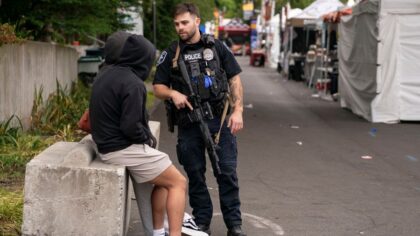
But word gets around. If you can walk out of a Vancouver store with $750 or less in merchandise and not get cited, the incentive is obvious. The police union president said officers are losing one of their most important tools: without an arrest or citation, he said, they generally can’t immediately search a suspect’s bag for the stolen goods. No search, no recovery, no case.
Stores can keep a file, document the repeat offenders, and hope the county eventually takes it on as organized retail theft. Maybe it does. But that’s slow and expensive, county prosecutors have their own mountain of cases, and the shop that just lost $600 in merchandise doesn’t get it back while everyone waits for the system to scare up a lawyer.
Five of nine Supreme Court seats are up this year. Four are on tomorrow’s ballot
Most states aim for a rough balance: real rights for the accused, real protection for the person who got robbed or hit. Right now Washington is tilting hard toward one side of that scale, and Vancouver is what the tilt looks like when it reaches the street.
One thing you can actually do something about. The court that wrote these rules is up for election. Five of the nine seats are on the ballot this year, which is a majority. Four of those races are on tomorrow’s primary. The fifth, Position 4, skipped the primary because only two people filed, so it goes straight to November.
Tomorrow won’t pick the new court. It narrows four of those five races down to two candidates each, and the justices get chosen in November. But that’s how the field gets set. By January, this court could look quite different, or much the same.
That depends on whether voters are paying attention. So if you haven’t looked at the Supreme Court races yet, tonight’s the night. Pour a cup of coffee and read past the top of the ticket.
The shoplifters have already figured out how the court works. Might be worth catching up.
Charlie Harger is the host of “Seattle’s Morning News” on KIRO Newsradio. You can read more of his stories and commentaries here. Follow Charlie on X and email him here.